
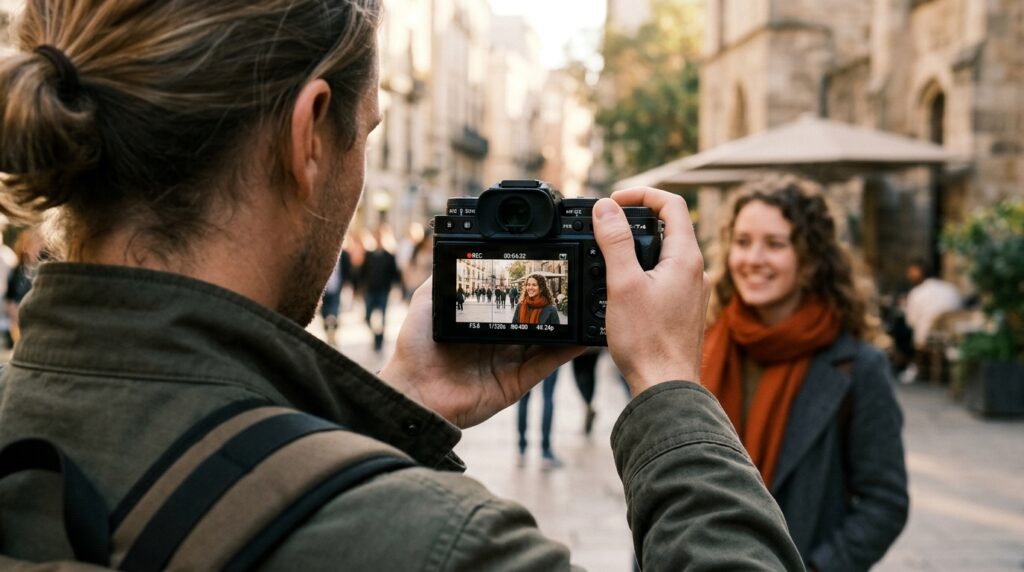
Are you aiming to produce videos that look really professional? Poor framing, poor lighting, and unstable images tend to be some of the challenges facing newbies. This can be quickly resolved with the correct Videography Courses UK Guide. You can learn about camera usage, shots, sound, and editing from professionals at Video Mastery. The practical classes will be held on your private property. A smartphone or a movie-style setup can be used to learn. There are only four delegates per class. Every session is customized to your abilities and objectives. A BAFTA-winning editor and producers with BBC training are among the faculty members. The essential methods and framing advice you need to begin filming confidently are explained in this book.
Rules for Cinematic Shot Composition
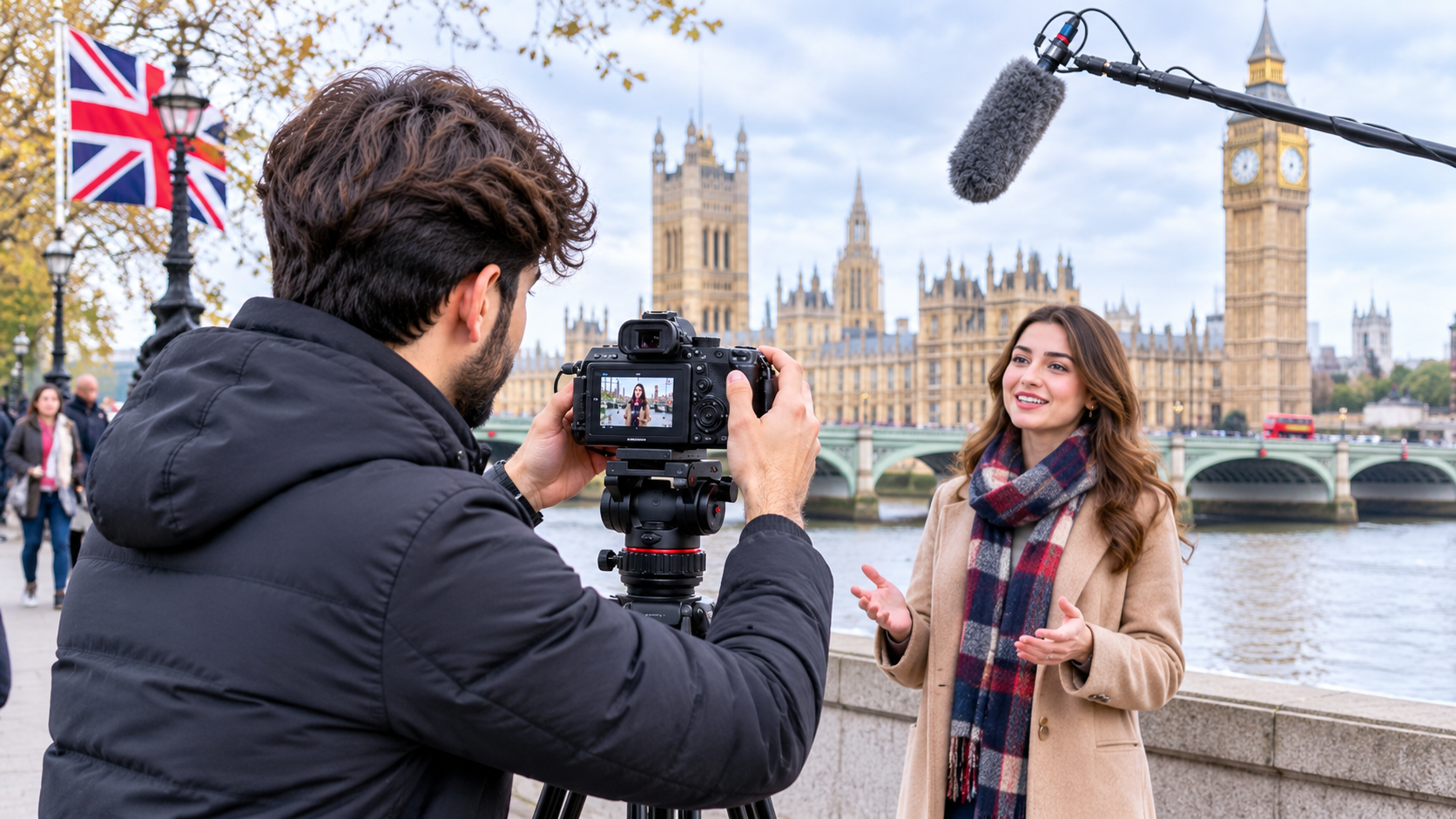
A simple clip becomes a narrative through composition, and a few simple rules guide the viewer’s eye. First, place your subject off-center for balance, following the rule of thirds. Next, use leading lines to draw attention further into the frame. Lead space and headroom also help people appear natural, while wider, medium, and close-up shots each create a distinct mood. Angles, in turn, give the actor power or weakness. Instead of sitting through a PowerPoint presentation, students learn through hands-on experience. They capture, analyze, and perfect their technique right away. As a result, the cinematic look becomes a habit, not an accident, and your movies will soon look professional enough for social media, classrooms, and clients.
Camera Configurations for Novices
The right settings are the first thing you have to do in order to get good-quality films. New directors often get blurry results when they let their cameras set the settings themselves. This is fixed early with solid Videography Training. The relationship between ISO, shutter speed, and aperture will be learned. It is also known that white balance and frame rate change the feel of the scene. Well-known cameras such as Canon, Sony, Fuji, and Panasonic are taught here. Filming on a smartphone is also discussed. You practice using your actual equipment because lessons take place on your own site. Each student receives direct assistance in small groups.
- Aperture controls background blur.
- Shutter speed shapes motion.
- ISO keeps low-light shots clean.
- White balance fixes color casts.
- Frame rate sets the film look.
Fundamentals of Storytelling and Video Editing
The raw video footage is useful if it is properly edited. One must begin with a simple storyboard and screenplay. Before filming, one uses them as a guide throughout the whole process. After the shooting is done, editing starts. DaVinci Resolve and Adobe Premiere Pro help edit clips, transitions, and color. Additional work includes adding captions and music. With a beginning, middle, and end, storytelling connects everything. A BAFTA-winning editor and producers with BBC training are among the faculty. Their expertise is evident in useful suggestions that you may put to use right now.
Tips for Lighting and Sound
Excellent pictures are ruined by dim lighting or muted sound. Face-flattering soft window lighting is inexpensive. Shape and depth are added with a straightforward three-point arrangement. Diffusers and reflectors soften harsh shadows. Equal consideration should be given to sound. Voice is recorded effectively using shotgun and lavalier microphones. Distractions are eliminated through quiet areas and strategic use of microphones. Grainy images are more easily forgiven by viewers than bad sounds. These skills are taught step-by-step in dedicated workshops on sound recording and lighting design. Every lesson remains applicable and simple to understand.
- Window light flatters faces.
- A three-point setup builds depth.
- Lavalier mics capture clear speech.
- Quiet rooms keep audio clean.
How to Select Training in the United Kingdom
Time and money can be saved by selecting the best provider. Find an instructor who has industry credits. Confirm that the training matches your machinery and is provided at your workplace. Both complete novices and seasoned teams should benefit from a flexible Video Production Course. In groups of up to four, Video Mastery offers in-house instruction throughout the United Kingdom. Courses are rated and approved by CPD. Outstanding on Trustpilot. Small enterprises, charities, and the NHS are all eligible for discounts. You may test the style with a free 20-minute Zoom preview.
- Trainer credits and experience
- On-site delivery at your workplace
- Accreditation and public reviews
- Fair pricing, plus discounts
- Free preview before booking
Drone and Gimbal Images
Ordinary scenes are elevated to the level of cinema by fluid movement. When you walk, orbit, or follow an activity, a handheld gimbal eliminates vibration. It takes practice to balance it correctly. Sweeping aerial vistas that were previously expensive to obtain are now possible thanks to drones. Safe flying, flight patterns, and astute aerial framing are all included in training. Learning is confined to one-day classes, which involve a drone expert. In small places, compact cameras like the DJI Osmo Pocket 3 will offer stable video footage. When you smartly combine all these things, then your work gets energy and scalability.
Conclusion
Good videos are never accidental but come from skill. Every video you take is bound to improve once you know about the camera, framing, lighting, sound, and editing. Once you learn the basics, your work is guaranteed to be better every single time you take videos. Continue doing what you do best, and you will become good at it. Practical Videography Courses UK guide are much easier to learn. Expert tutors from Video Mastery visit your workplace. They tailor every session to your tools and goals. Even though CPD certification increases your confidence, the small numbers make for personalized attention. Take one skill at a time.
Subscribe on YouTube for more camera, lighting, and composition tips.
FAQS
- Can I acquire skills in professional filmmaking in the UK as a novice?
Yes. You will be taught the basics of settings, framing, and lighting of the camera in your first class. No experience is required.
- Shall I purchase a professional camera immediately?
Not necessarily. For understanding the basics of composition, sound, and editing, you just need your mobile phone. Once you have improved your skills, you can start using professional cameras.
- What amount of time is required for acquiring the basics?
Courses last from half a day to five days. It takes one day to learn the basics.
- Is there an opportunity to obtain training at work?
: 400;”>Indeed. All around the UK, in-house sessions are offered. Classes are typically limited to four students.
- What editing programs are taught?
The primary tools are Adobe Premiere Pro and DaVinci Resolve. You gain knowledge of exporting, color correction, and cutting.