
Do you want your team to create amazing videos without using a production company? Nowadays, several UK companies do this internally, which results in significant cost savings. Your employees may learn scripting, filming, lighting, sound, and editing with the correct Video Training for businesses. Professional outcomes can be produced even using a smartphone. In just two or three days, professional trainers from Video Mastery come to your business to instruct your team. This blog will help you learn how to plan, create, and edit engaging content with your own team. You will learn simple ways to keep viewers engaged. Each video will also support your business goals.
Savings from Making Videos In-House
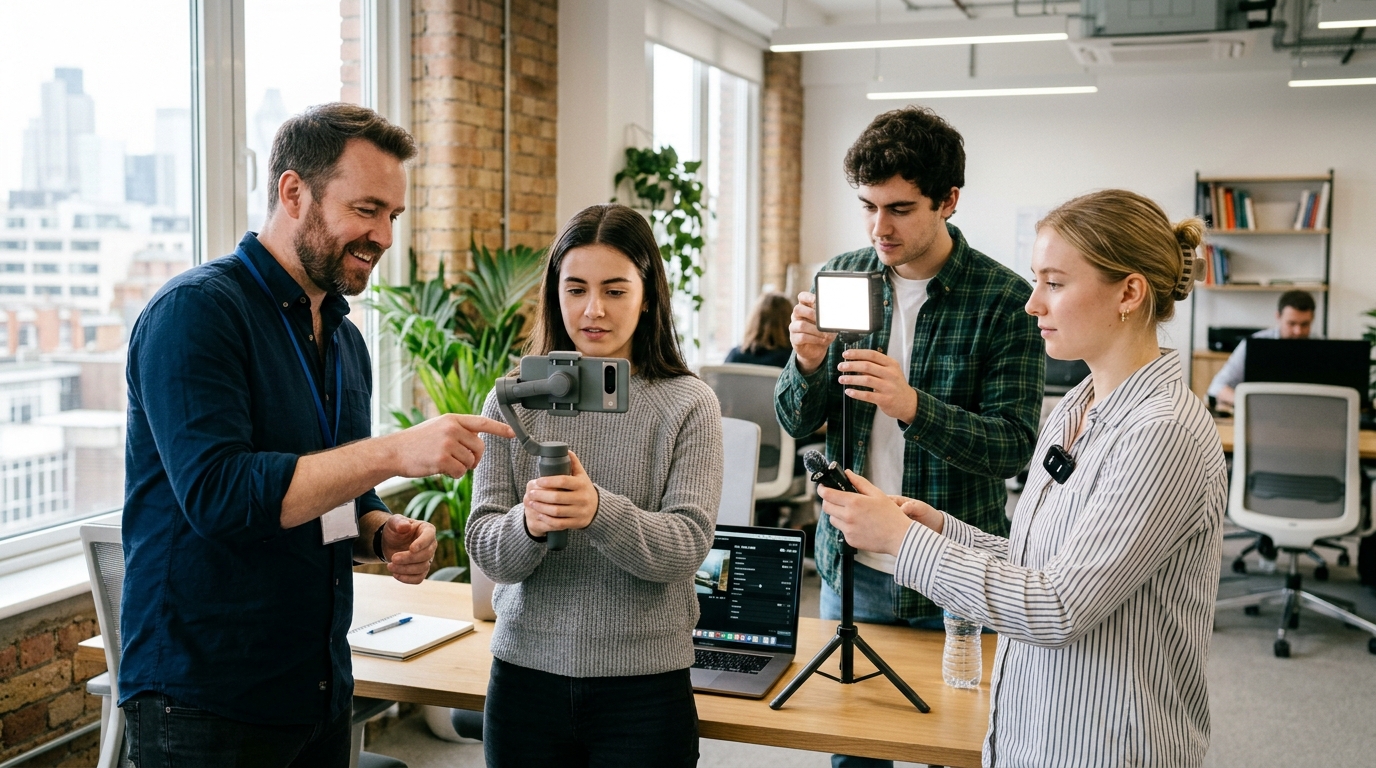
It quickly becomes expensive to hire an agency for each video. Filming in-house modifies that. Fire away as much as you like once your team has learned the skills. Video Mastery trainers will come to your office and teach you directly. They begin with a short Zoom session. This enables them to align the lecture with your equipment and objectives. Learning can be done in groups of up to four. The same team can make numerous videos following the session without incurring additional studio costs. You can use the money you save on advertisements, merchandise, or employee development. For any budget, it’s a wise long-term decision.
Advantages of Producing Videos In-House
In video creation for your own company, you are entirely in charge. You will be able to talk to consumers, train your workers, and provide information in any way necessary. Within just a few days, a Video Production Course can turn a group of novices into confident producers. Your target audience, your products, and your company are known to your staff members. Each message is authentic and honest for that reason. You will not have to wait a long while for agencies outside of your company. It takes hours, not weeks, to update. Every audience, from new hires to devoted customers, can have a video created for them.
Organizing and Writing Captivating Content
Every effective video begins with a strategy. Before you hit record, decide on the objective, the audience, and the message. Write a little script in simple terms after that. Every shot is presented one after another in a simple storyboard. Choose your location, test for lighting conditions, and book your talent before the shoot day. Proper planning on the shooting day saves time. It also helps maintain focus in the final video. A story that begins at one point and ends at another holds attention better.
- Set one clear goal for each video.
- Write a short, simple script.
- Sketch a basic storyboard.
- Scout locations and arrange talent.
Essential Competencies for Internal Video Teams
The production of quality videos calls for a blend of both skills. Using the camera, shooting, lighting, and good audio are all things that can be learned in good Videography Training. In addition to that, you are taught how to make a good story. Videos are always kept short and understandable through scripting. Confidence is rapidly increased by practice on actual assignments. People learn best through hands-on activities. It is not mandatory to have a degree in film before starting out. It only takes a few days of training. Your staff will learn to look like pros, both on-screen and off-screen.
- Camera operation and shot composition
- Lighting and sound recording
- Scripting and storytelling
- Interviewing and on-camera presenting
Sharing and Editing to Increase Reach
The raw video clips are edited together to form a story. The beginner has everything required with editing software such as DaVinci Resolve or Premiere Pro. Edit your titles, trim off unnecessary footage, and change the audio. In order to ensure the spectators remain interested, maintain a quick pace. Come up with an interesting title and description with words that people usually search for before uploading. You have to caption your video clip so that it can be played even without audio. You should export the video in the right format for all platforms, whether it is social media or websites.
Top Video Gear for Novices
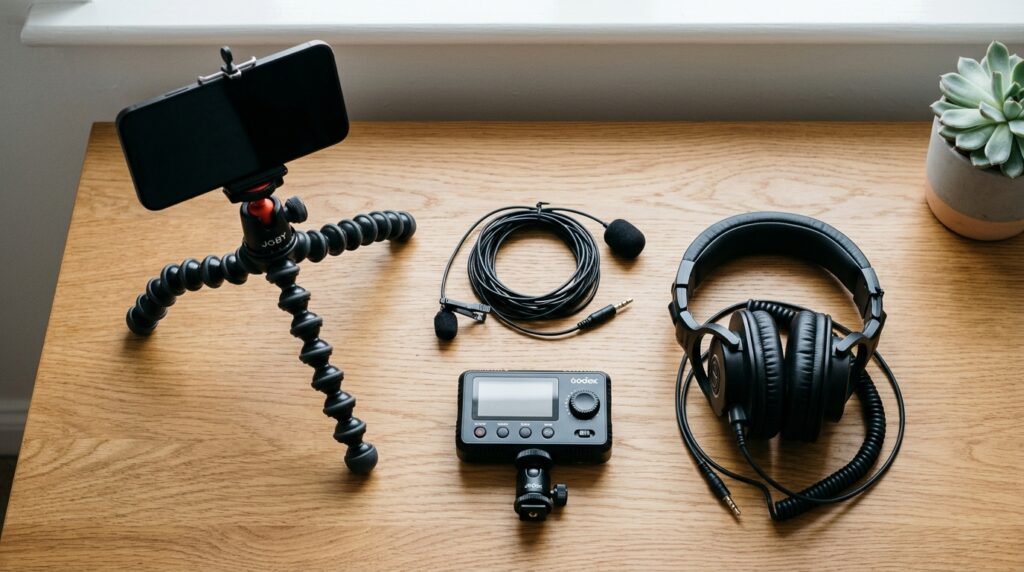
Firstly, there is no need for an elaborate system. With a modern smartphone, you get clean, cinematic-quality videos. The image becomes even better by adding a small tripod, an attachable microphone, and a light. As you develop more skills, you can upgrade to an advanced camera, a gimbal, or a drone. Use equipment based on what you want to achieve, not the latest trend. More than most people realize, good sound is important. Soft focus is forgiven by viewers, but poor audio causes them to leave.
- Smartphone with a steady tripod
- Clip-on or shotgun microphone
- Soft, simple lighting kit
- Gimbal or drone for advanced shots
Final words
Many businesses do not understand how easy it can be to produce films inside the company. With the right plan, some basic gear, and teamwork, excellent results can definitely be produced. Your staff members will get more comfortable with filming, editing, and sharing fun videos once they undergo Video Training. Begin modestly and get better with each endeavor. Video Mastery’s professional assistance can expedite learning and assist your team in avoiding typical blunders. Your stories should be brief and truthful. Listen to your clients’ feedback and adapt. Video is going to be an integral part of your business communication, sales process, and training in no time.
Subscribe on YouTube for more camera, lighting, and composition tips.
FAQS
- Can a small company make high-quality films?
Yes, it’s possible. At first, all one needs is just a cell phone, tripod, microphone, and light.
- How long will it take to teach a bunch of people how to make videos?
Two to three days of practical training will do the job.
- Is it necessary to invest in expensive equipment to start?
No. Light and sound are more important than the camera.
- What kind of videos can be made using an internal crew?
Videos for social media, interview videos, marketing videos, training videos, and company updates.
- How many individuals can learn simultaneously?
In order to make sure that everybody gets some hands-on experience, groups of up to four are ideal.