

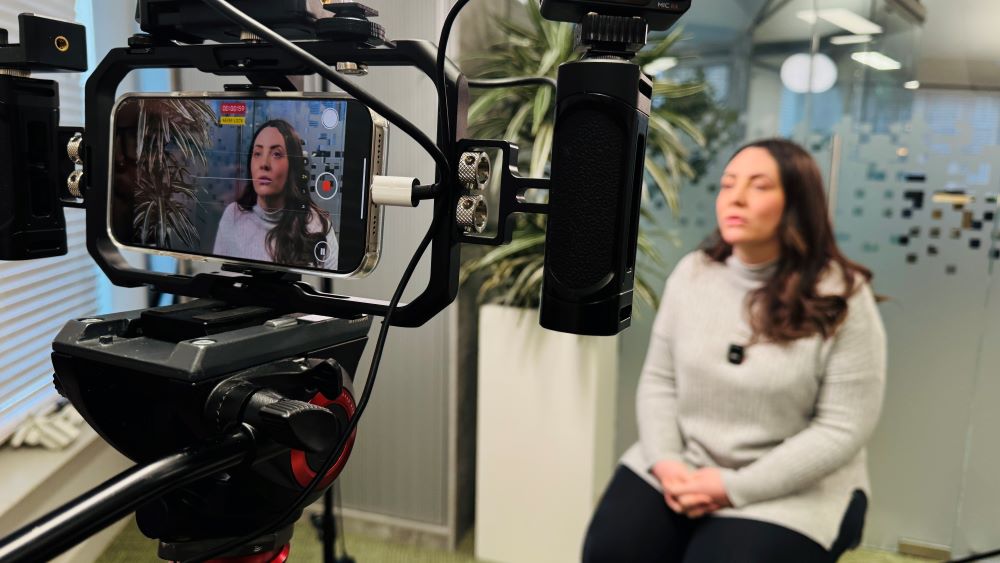
Creating professional video content requires more than having a good camera. Understanding camera settings, composition, lighting, sound, lenses and filming techniques can make a significant difference to the quality of your final production. Filming Skills Training in UK can help beginners, content creators, businesses and production teams develop practical skills for creating professional-looking video.
Video Mastery provides practical filming and video production training designed to help participants improve their camera operation and production techniques. Training can be adapted to the experience of the participants, their equipment and the type of content they need to create.
What Is Filming Skills Training?
Filming skills training teaches the practical techniques involved in capturing high-quality video footage. Depending on the course and the learner’s requirements, training can cover camera operation, exposure, focus, composition, lighting, sound and other aspects of video production.
Learning these fundamentals can help you make better decisions while filming rather than relying entirely on automatic camera settings.
Key areas of filming training can include:
- Camera controls and settings
- Exposure and shutter speed
- Aperture and depth of field
- ISO and white balance
- Focus techniques
- Lens selection
- Composition
- Camera movement
- Lighting
- Audio recording
- Interview filming
- Shot planning
- Production workflows
These skills can be applied to corporate videos, interviews, promotional content, training videos, documentaries, social media content and other productions.
Why Learn Professional Filming Skills?
Modern businesses increasingly use video for communication, marketing, training and customer engagement. However, poor lighting, inconsistent exposure, weak composition or unclear audio can reduce the effectiveness of otherwise useful content.
Professional filming training can help you understand how to control your camera and plan your shots more effectively.
Instead of simply pointing a camera at a subject, you can learn how to consider:
- Where the subject should be positioned
- How much background should be visible
- Which lens is appropriate
- How the lighting affects the image
- How camera movement affects the viewer
- How to capture clear and usable audio
- How different settings affect the final footage
Developing these skills can make filming more consistent and efficient.
Camera Skills and Manual Controls
Understanding your camera is one of the foundations of professional filming. Modern cameras provide numerous automatic functions, but manual control can give filmmakers greater creative flexibility.
Filming training can introduce participants to important camera settings such as aperture, shutter speed, ISO and white balance.
Aperture controls the amount of light entering the camera and affects depth of field. Shutter speed influences motion appearance, while ISO affects camera sensitivity and image noise. White balance helps ensure that colours appear natural under different lighting conditions.
Understanding how these controls work together can help you achieve more consistent footage in different filming environments.
Composition and Framing
Good composition helps viewers understand where to look within a shot. Filming skills training can introduce techniques for framing subjects, creating visual balance and using space effectively.
Participants can learn about concepts such as:
- Rule of thirds
- Headroom
- Lead room
- Shot sizes
- Camera angles
- Background control
- Symmetry and balance
- Establishing shots
These techniques can be particularly useful when filming interviews, presentations, promotional videos and corporate productions.
Lighting for Video Production
Lighting has a major effect on the appearance of video footage. Even a high-quality camera can produce poor results when the lighting is uncontrolled.
Filming training can help participants understand natural and artificial lighting and how to position lights according to the subject and environment.
For interviews, for example, lighting can help separate the subject from the background and create a more professional appearance. Understanding the direction, intensity and colour of light can also help maintain consistency between shots.
Sound and Audio Recording
Video quality is only one part of professional production. Poor audio can make otherwise good footage difficult to watch.
Filming skills training can introduce participants to microphones, recording techniques and basic audio considerations. This may include choosing suitable microphones, positioning them correctly and monitoring audio during production.
For interviews and corporate videos, capturing clear speech is particularly important. Learning basic audio principles can help reduce problems during editing and minimise the need for extensive post-production correction.
Camera Movement and Shot Techniques
Camera movement can add visual interest and help communicate information. However, movement should usually have a purpose rather than being used simply as an effect.
Training can introduce techniques such as:
- Static shots
- Panning
- Tilting
- Tracking
- Handheld filming
- Tripod operation
- Gimbal-based movement
Participants can learn when different techniques are appropriate and how to maintain stable, professional footage.
Filming Interviews
Interviews are widely used for corporate communications, documentaries, marketing videos and training content. A successful interview requires more than simply placing a camera in front of the subject.
Filming training can help participants consider camera positioning, framing, lighting, background, microphone placement and shot composition.
Planning these elements before recording can make the final interview easier to edit and more professional.
Practical Filming Training in UK
One advantage of practical training is the opportunity to apply techniques directly with cameras and production equipment. Rather than learning only through theory, participants can practise filming and receive guidance on improving their approach.
Video Mastery offers practical training that can be tailored around the needs of participants and organisations. This can be useful for businesses that want employees to develop video production skills using their existing equipment and workflows.
Who Can Benefit From Filming Skills Training?
Filming Skills Training in UK can be useful for a variety of people, including:
- Beginners learning video production
- Corporate communications teams
- Marketing professionals
- Social media content creators
- Trainers and educators
- Business owners
- Videographers
- Production teams
- Employees responsible for internal video content
Training can be particularly valuable for organisations that regularly create video but want to improve the quality and consistency of their productions.
Choosing the Right Filming Course
Before choosing filming training, consider your current experience, equipment and production goals.
If you are a beginner, you may want to focus on camera fundamentals, composition, lighting and audio. More experienced users may benefit from advanced camera techniques, professional lighting, interview production or specialised filming workflows.
It is also useful to consider the type of content you regularly produce. Corporate interviews, promotional videos, training content and social media videos may require different filming approaches.
Improve Your Video Production Skills
Professional filming is a combination of technical knowledge, creative decisions and practical experience. Developing a strong understanding of cameras, lighting, sound, composition and movement can help you capture footage that is easier to edit and more effective for its intended audience.
If you are looking for Filming Skills Training in UK, Video Mastery provides practical training designed to help participants develop their video production capabilities. Training can be adapted to individual or organisational requirements, making it suitable for different experience levels and production needs.
With the right training and regular practice, you can build greater confidence with your camera and develop a more consistent approach to professional video production.
FAQs About Filming Skills Training in UK
- What is Filming Skills Training in UK?
Filming Skills Training teaches the practical and technical skills required to capture professional video footage, including camera operation, exposure, composition, lighting, sound and camera movement.
- Is filming training suitable for beginners?
Yes. Beginners can learn fundamental camera controls, framing, composition, lighting and audio techniques before progressing to more advanced production skills.
- What camera skills can I learn?
Training can cover exposure, aperture, shutter speed, ISO, white balance, focus, lenses, camera angles, framing and other important camera controls.
- Does filming training include lighting?
Lighting is an important part of video production. Training can introduce participants to lighting principles, positioning, natural light and artificial lighting techniques.
- Can I learn how to film interviews?
Yes. Interview filming involves camera positioning, composition, lighting, sound and background selection. These areas can be included in practical filming training.
- Why is audio important when filming?
Clear audio is essential for interviews, presentations and many other types of video. Learning microphone placement and basic audio recording techniques can help improve the quality of finished productions.
- Can businesses arrange filming training for employees?
Yes. Practical filming training can be useful for businesses that want employees to develop in-house video production skills for marketing, training or corporate communications.
- What equipment do I need for filming training?
The equipment required depends on the course and training objectives. Professional training can be adapted around the cameras and equipment used by the participants or organisation.
- Can filming skills help with video editing?
Yes. Better filming can make the editing process easier. Consistent exposure, useful shot variety, clear audio and well-composed footage provide editors with better material to work with.
- How can I improve my filming skills?
Regular practical experience combined with structured training can help. Learning camera controls, composition, lighting and sound and then practising these techniques on real projects can gradually improve filming ability.
Meta Title: Filming Skills Training in UK | Video Production
Meta Description: Develop professional filming skills in the UK with practical training in camera operation, composition, lighting, sound, focus and video production techniques.